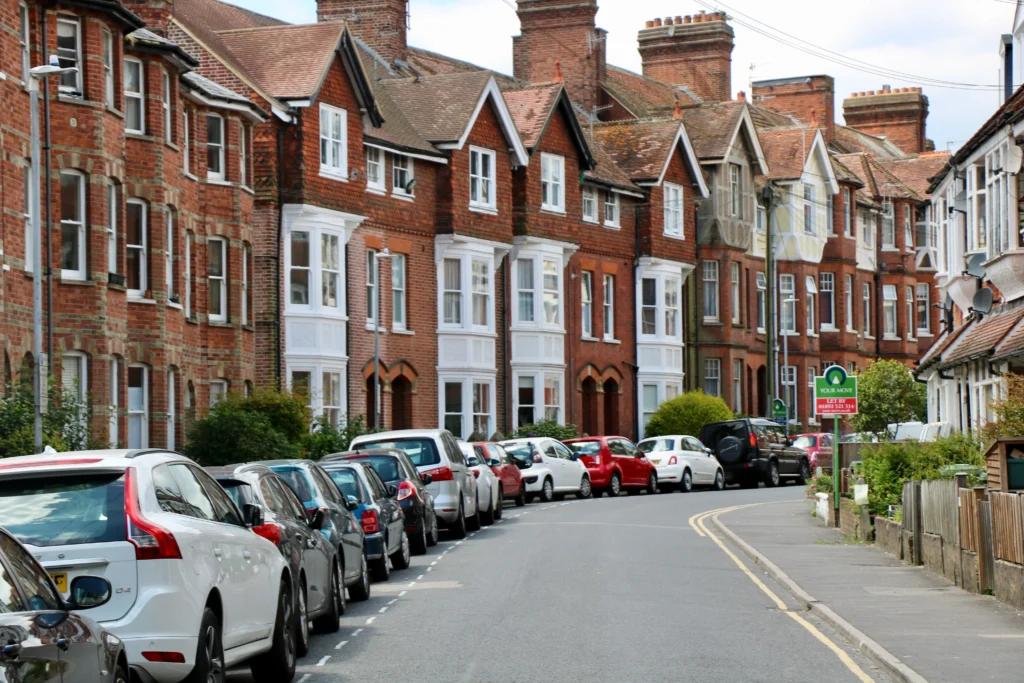
Viewing a Property in Winter? What Buyers and Tenants Can Learn That Summer Viewings May Hide
A property that looks bright and inviting during summer can feel quite different on a cold winter afternoon.
Shorter daylight hours may make certain rooms appear darker. Colder temperatures can make draughts more noticeable, while rainy weather may reveal drainage or maintenance concerns that would be difficult to spot during a dry summer viewing.
For buyers and tenants considering viewing property in winter across Morden, Wimbledon and South London, these seasonal conditions provide an opportunity to understand how a home performs when comfort and weather protection matter most.
However, a winter viewing is not simply about identifying problems. It is about understanding whether a property suits your everyday needs and recognising which observations may require further investigation.
A cold bedroom does not necessarily indicate inadequate insulation, just as condensation on a window does not automatically mean the property has a serious damp issue.
The key is knowing what to look for and which questions to ask.
This guide explains the important checks buyers and tenants can make during winter property viewings, helping them assess potential homes with greater confidence.
Table of Contents
- Why Is Viewing a Property in Winter Useful?
- What Can Winter Reveal About Heating and Insulation?
- How Can You Spot Damp, Mould and Condensation?
- What Should You Check About Windows and Ventilation?
- Can Rainy Weather Reveal Roofing and Drainage Issues?
- How Does Winter Affect Natural Light?
- What Should Buyers Checkuring a Winter Viewing?
- What Should Tenants Check Before Renting?
- Why Do Flats and Houses Require Different Checks?
- Winter Property Viewing Checklist
- How Sandton Helps Buyers and Tenants
- Frequently Asked Questions
- Make a More Informed Property Decision This Winter
- Sources and Market References
1. Why Is Viewing a Property in Winter Useful?
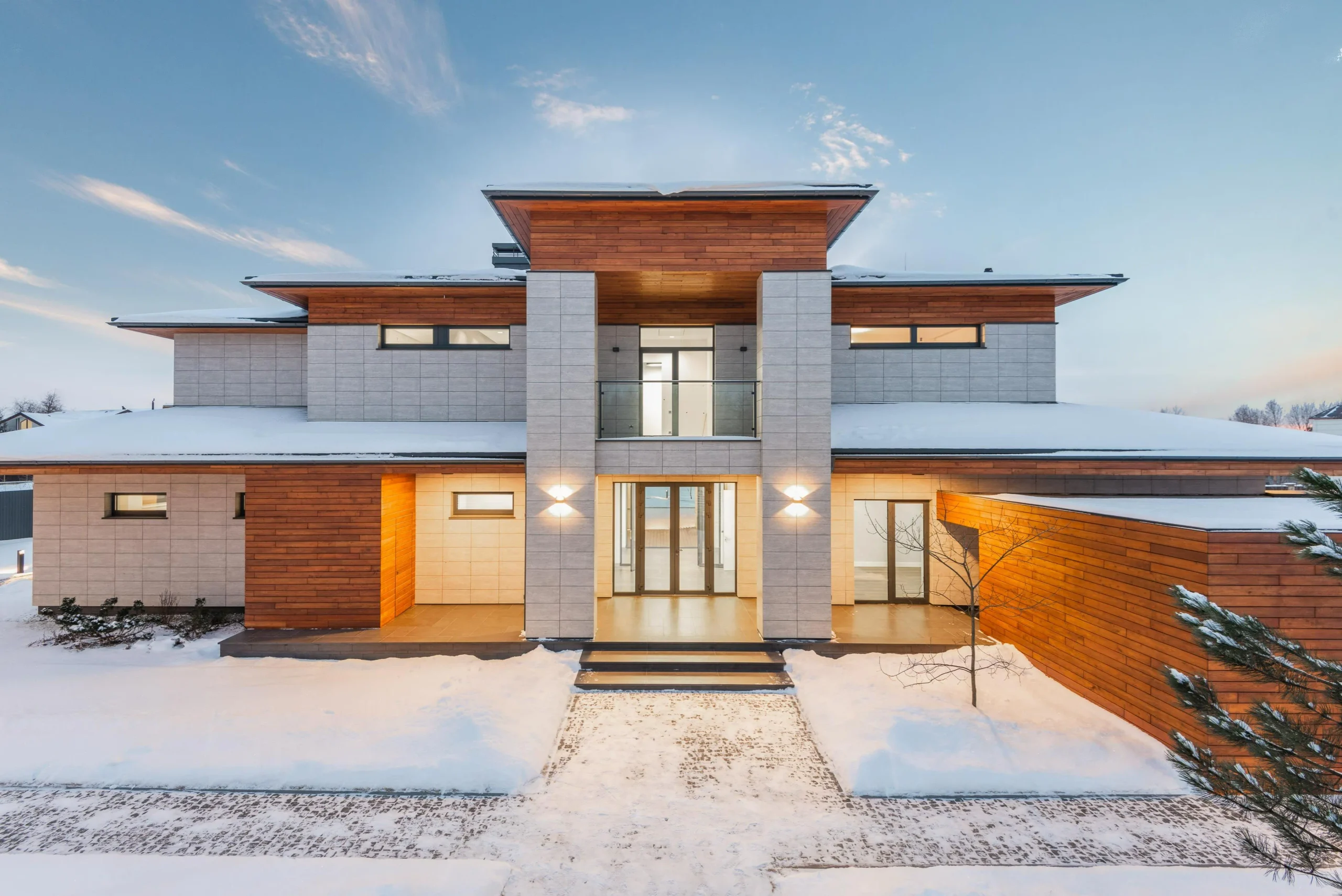
Summer viewings naturally highlight a home’s appearance. Longer daylight hours make rooms feel brighter, gardens may look their best and open windows can create a pleasant atmosphere.
Winter offers a different perspective. Lower temperatures may reveal noticeable draughts, while shorter days can demonstrate how much natural light enters the property during the afternoon. Wet weather can also make certain external maintenance concerns easier to observe.
This makes viewing property in winter particularly useful for understanding how a home functions during colder months.
However, seasonal observations should be considered carefully. A room may feel cold because the heating has not been switched on, while temporary condensation can occur even in a well-maintained property.
Rather than assuming there is a defect, ask about the cause and whether any action has been taken.
For someone considering a family home in Morden, heating, garden drainage and external maintenance may deserve attention. A buyer or tenant viewing a flat in Wimbledon may place greater emphasis on ventilation, window condition and communal building arrangements.
The right questions depend on the property and your individual requirements.
2. What Can Winter Reveal About Heating and Insulation?
Heating is one of the most important considerations when assessing a home during winter. A property may offer attractive interiors and a convenient location, but it still needs to provide a suitable living environment.
During a winter property viewing, notice whether rooms feel reasonably comfortable and whether there are significant temperature differences.
Understand the Heating System
Ask what type of heating is installed, such as gas central heating or electric heating. Buyers may also wish to enquire about servicing history, system age and any known faults. Tenants should understand how heating operates and who to contact if repairs are required.
Notice Obvious Draughts
Look around external doors and windows for damaged seals or noticeable cold air. Although these observations cannot confirm the quality of insulation, they may highlight areas requiring closer attention.
Review the Energy Performance Certificate
An Energy Performance Certificate (EPC) provides information about the property’s energy efficiency and recommendations for potential improvements. It can help buyers and tenants understand likely energy-performance considerations.
However, an EPC does not confirm that every heating component works correctly or predict exact household energy bills.
According to GOV.UK guidance, the EPC should be considered alongside other information about the property.
For those viewing property in winter, combining observations with relevant documentation is more useful than relying on appearance alone.
3. How Can You Spot Damp, Mould and Condensation?
Winter can make moisture-related problems more noticeable, particularly when warm indoor air meets colder surfaces. However, condensation, penetrating damp and plumbing leaks can have different causes.
During a viewing, look for signs such as:
- Dark or discoloured patches on walls
- Persistent condensation around windows
- Mould near ceilings or external walls
- Peeling wallpaper or bubbling paint
- Water stains on ceilings
- Musty smells in enclosed rooms
These observations do not automatically establish the cause or severity of a problem.
What Should Buyers Ask?
If you notice signs of recurring moisture, ask whether the property has experienced previous damp problems. Find out whether the issue was investigated and what repairs were completed. An independent surveyor or appropriate specialist may be needed to assess concerns before purchase.
What Should Tenants Ask?
Prospective tenants should enquire about any unresolved damp or mould problems and how repairs are reported.
The UK government’s damp and mould guidance emphasises the importance of identifying and addressing the underlying cause of moisture problems.
For anyone viewing property in winter, visible mould or persistent damp should prompt further questions rather than be dismissed as an unavoidable seasonal issue.
4. What Should You Check About Windows and Ventilation?
Windows and ventilation can influence comfort, moisture control and everyday practicality. A minor draught may go unnoticed during summer but become more apparent in colder weather.
Window Condition
Where permitted, ask to open and close windows. Look for damaged seals, difficulty operating the mechanisms or condensation trapped between double-glazed panes. Moisture between glazing panes may indicate a failed sealed unit.
External Doors
Check whether external doors appear to close securely and whether there are noticeable gaps around their edges.
Kitchen and Bathroom Ventilation
Bathrooms and kitchens generate moisture through normal activities. Check whether suitable ventilation arrangements are provided, including extractor fans where installed. Ask whether these systems are functioning correctly.
For buyers and tenants viewing a property in winter, these checks can highlight issues affecting comfort and moisture management.
They are particularly relevant in older properties and converted flats, where ventilation arrangements may differ from those in newer developments.
5. Can Rainy Weather Reveal Roofing and Drainage Issues?
Rainy weather can sometimes make external maintenance concerns easier to notice. Overflowing gutters, damaged downpipes and persistent water collecting near external walls may be less obvious during dry weather.
When viewing a house in winter, consider the following observations.
Gutters and Downpipes
From a safe position, look for obvious damage, overflowing gutters or disconnected downpipes. Avoid attempting to inspect roofs or elevated areas yourself.
Drainage Around the Building
Notice whether water collects near entrances, paths or external walls. Occasional puddles do not necessarily indicate a serious drainage defect, but recurring problems may deserve further investigation.
Signs of Previous Water Ingress
Water stains on ceilings or external walls may suggest previous leaks. Ask whether the cause was established and whether repairs were completed.
When Further Investigation Is Needed
A property viewing cannot confirm the condition of a roof or drainage system. Buyers should consider appropriate survey advice, while tenants should ask about unresolved maintenance issues.
For anyone viewing property in winter, wet weather can provide helpful clues, but visible observations should not be treated as professional assessments.
6. How Does Winter Affect Natural Light?
Natural light can influence how comfortable and welcoming a home feels. A room that appears bright during summer may receive significantly less daylight in winter because the days are shorter and the sun is lower in the sky.
This makes winter a useful time to understand a property’s lighting conditions.
Consider Room Orientation
South-facing rooms may receive more direct sunlight, depending on surrounding buildings and the property’s layout. North-facing rooms may receive less direct sunlight. However, orientation alone does not determine how bright a room feels.
Look at Surrounding Buildings
Neighbouring properties, trees and enclosed courtyards can affect daylight. This may be particularly noticeable in some ground-floor flats.
Think About Your Daily Routine
If you regularly work from home, daylight in a home office or living room may be important. For someone who spends most evenings at home, artificial lighting and layout may also influence the decision.
Request Another Viewing if Necessary
Where possible, arrange a second viewing at a different time of day.
For buyers and tenants viewing property in winter, understanding natural light can help prevent disappointment after moving in.
7. What Should Buyers Check During a Winter Viewing?

For buyers, an initial viewing should help identify whether a property is suitable and what further information is required. Winter observations can help shape questions before progressing with a purchase.
Ask About Property Maintenance
Find out whether the property has experienced roofing leaks, damp problems or heating faults. Request information about relevant completed repairs.
Consider the Property’s Age and Construction
Older houses, converted flats and modern developments may require different types of inspection. The appropriate level of survey depends on the property’s characteristics and condition.
Understand Potential Running Costs
Heating, insurance, maintenance and relevant leasehold charges can influence affordability. Review the EPC and ask about significant ongoing responsibilities.
Arrange Appropriate Professional Checks
The government’s How to Buy a Home guidance advises buyers to seriously consider arranging a property survey. A mortgage valuation is not the same as an independent assessment of building condition.
For buyers viewing property in winter, the purpose of these checks is to identify relevant questions before making a significant commitment.
Sandton’s Residential Sales service provides access to properties for sale in Morden and surrounding areas, alongside guidance on arranging viewings.
8. What Should Tenants Check Before Renting?
Tenants should focus on whether a property provides suitable accommodation and whether maintenance arrangements are clear. The government’s How to Rent a Safe Home guidance identifies important checks that prospective tenants should make.
Heating and Hot Water
Ask whether the heating and hot water systems operate correctly. Find out how faults should be reported and who coordinates repairs.
Safety Documentation
Ask about applicable gas and electrical safety documentation and relevant smoke and carbon monoxide alarm requirements.
Damp and Property Condition
Raise questions about persistent damp, visible mould or unresolved maintenance problems.
Energy Efficiency
Request a valid EPC where required and review the information provided.
Repair Arrangements
Find out whether maintenance is coordinated by the landlord, a letting agent or a managing agent.
For tenants viewing a rental property in winter, understanding these arrangements is particularly important because heating and moisture concerns may affect comfort during colder months.
Sandton’s Residential Lettings service helps prospective tenants explore available rental homes and make enquiries about suitable properties.
9. Why Do Flats and Houses Require Different Checks?
Property type can influence the maintenance issues that deserve attention. A family house in Morden and a flat in Wimbledon may require different questions during a winter viewing.
Viewing a Family House in Morden
For example, a buyer considering a three-bedroom terraced house may focus on:
- Heating throughout the property
- Roof and gutter condition
- Garden drainage
- External windows and doors
- Signs of water ingress
- Insulation and energy efficiency
The buyer may also wish to understand any previous extensions or significant alterations.
Viewing a Flat in Wimbledon
Someone considering an apartment may need to check:
- Heating and ventilation
- Window condition
- Communal entrances and corridors
- Shared building maintenance
- Responsibility for roof and structural repairs
- Leasehold arrangements if purchasing
The maintenance responsibilities of a flat owner or tenant may differ from those of a freehold house owner.
Sandton’s Block Management service supports residential buildings with communal maintenance and building management arrangements.
For those viewing property in winter, understanding these differences can help clarify which questions should be directed to the seller, landlord or managing agent.
10. Winter Property Viewing Checklist
Use this practical winter property viewing checklist during your next appointment.
Heating and Indoor Comfort
Damp and Ventilation
Exterior and Drainage
Property Suitability
Before Making a Decision
This checklist helps buyers and tenants organise their observations but does not replace professional inspections or legal advice.
11. How Sandton Helps Buyers and Tenants
A successful property search involves more than finding an appealing home online. Buyers and tenants need accurate property information, suitable viewing opportunities and an understanding of how a home fits their requirements.
Sandton Residential & Commercial operates from Morden and provides residential property services across South West London.
Residential Sales
Through Residential Sales, Sandton helps prospective buyers explore available properties and enquire about suitable viewing appointments. The service supports buyers looking for homes with features that match their needs, whether that means additional family space or a conveniently located apartment.
Residential Lettings
Sandton’s Residential Lettings service supports people searching for rental accommodation. Prospective tenants can enquire about available homes and relevant letting arrangements before making a decision.
Residential Property Management
Sandton’s Residential Management service supports landlords with maintenance coordination, tenant communication and ongoing property management. These arrangements are relevant when questions arise about repairs, property condition or maintenance responsibilities.
Local Property Knowledge
Buyers considering family houses in Morden may have different priorities from tenants searching for apartments in Wimbledon or Croydon.
Sandton’s local knowledge helps people explore properties according to their requirements and understand the next steps in the viewing process.
When viewing property in winter, access to relevant property information and a knowledgeable local team can help make appointments more productive.
12. Frequently Asked Questions About Viewing Property in Winter
1. Is winter a good time to view a property?
Yes. Winter can make certain issues, such as draughts, heating problems and reduced natural light, easier to notice. A single viewing cannot confirm the full condition of a property.
2. What should I check when viewing a house in winter?
Check heating, visible damp, window condition, ventilation, drainage and natural light. Buyers should also consider an appropriate professional survey.
3. Can winter reveal problems that summer viewings may hide?
Sometimes. Cold weather and rainfall can make draughts, condensation and drainage concerns more noticeable, although many defects cannot be identified through a viewing alone.
4. Is condensation on windows a serious problem?
Occasional condensation is not necessarily serious. Persistent condensation, mould or recurring damp may require further investigation.
5. How can I check whether a property is energy efficient?
Review the Energy Performance Certificate. It provides an energy-efficiency assessment and potential improvement recommendations.
6. Should I view a property during daylight?
Daylight can make it easier to assess room brightness and external features. A second viewing at a different time may provide useful additional information.
7. What should tenants ask about heating?
Ask what system is installed, whether it operates properly, who is responsible for repairs and how maintenance problems should be reported.
8. Can I request a second property viewing?
Yes. Buyers and tenants can request another appointment through the estate or letting agent, subject to availability.
9. Should buyers arrange a property survey?
Buyers should seriously consider an independent property survey. The appropriate type depends on the property’s age, construction and condition.
10. What should I check when viewing a flat in winter?
Check heating, ventilation, window condition and communal areas. Buyers should also investigate leasehold and shared maintenance arrangements.
11. Can rainy weather help identify drainage concerns?
Yes. Rain may make overflowing gutters, standing water and certain signs of water ingress easier to notice.
12. How can Sandton help arrange a property viewing in Morden?
Sandton Residential & Commercial provides residential sales and lettings services across Morden and surrounding areas. Buyers and tenants can contact the team about available properties and viewing arrangements.
13. Make a More Informed Property Decision This Winter
A good viewing should help you understand more than a property’s appearance.
Winter provides an opportunity to assess heating, ventilation, natural light and visible maintenance concerns during the months when these features become particularly important.
For buyers, these observations can help identify questions to raise before arranging surveys and progressing with a purchase.
For tenants, they can help clarify the property’s condition and understand how repairs will be managed during the tenancy.
Not every concern indicates a serious defect, and a winter viewing cannot replace specialist advice.
However, careful observation and relevant questions can help buyers and tenants make more informed decisions.
For anyone viewing property in winter across Morden, Wimbledon or South London, preparation can make each appointment more useful.
Planning a Property Viewing in Morden or South London?
Whether you are searching for a family home, a modern apartment or a rental property, the right home should suit your everyday needs and practical requirements.
Sandton Residential & Commercial helps buyers and tenants explore available residential properties across Morden and surrounding areas.
Explore available properties and speak to the Sandton team about arranging a suitable viewing.
Sandton Residential & Commercial
28 Crown Lane, Morden, SM4 5BL
020 3771 9141
Website: https://sandton.co.uk/
Primary CTA: Explore Properties for Sale
For Tenants: Explore Rental Properties
14. Sources and Market References
The following sources support the practical guidance in this article. No unrelated property-price or national weather statistics have been included.
1. GOV.UK – How to Buy a Home
Publisher: UK Government
Research: Home-buying procedures, property surveys and professional enquiries.
Key Guidance: Buyers should seriously consider arranging an independent property survey. A mortgage valuation does not replace a building survey.
2. GOV.UK – How to Rent a Safe Home
Publisher: UK Government
Research: Safety, heating, damp, ventilation and property condition in rented accommodation.
Key Guidance: Prospective tenants should assess relevant safety and maintenance matters before renting.
3. GOV.UK – Energy Performance Certificates
Publisher: UK Government
Research: Energy-efficiency assessments and recommendations for residential properties.
Key Guidance: An EPC provides information about energy performance but does not replace a professional assessment of the building’s condition.
4. GOV.UK – Understanding and Addressing the Health Risks of Damp and Mould in the Home
Publisher: UK Government
Research: Sources of damp and mould and the importance of investigating underlying moisture problems.
Key Guidance: Visible moisture problems can have different causes and should be appropriately investigated.
5. Sandton Residential & Commercial – Local Property Services
Publisher: Sandton Residential & Commercial
Research: Residential sales, lettings, management and block management services.
References:
Research Note: The article provides general practical advice. Observations made during a viewing may identify questions for further investigation but cannot confirm the structural condition or safety of a property.
Disclaimer: This article provides general property information and does not constitute legal, financial or specialist building advice.